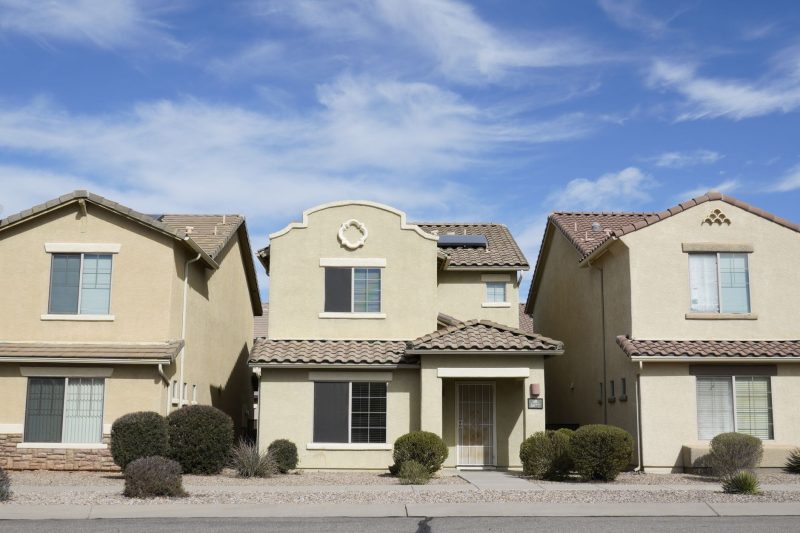
Growing a real estate portfolio in Utah is exciting, but qualifying for new investment property…

DSCR Loans: What to Expect When Applying With a Mortgage Loan Officer
Investing in a rental property or expanding your real estate portfolio can feel complicated when you’re not sure how to prove your income for mortgage approval. A DSCR loan is a specialized mortgage that allows real estate investors to qualify based primarily on the property’s rental income rather than their personal income or tax returns. In this article, I’ll explain the DSCR loan process, the key steps you can expect when working with me, and what documentation is usually required for DSCR loans in Washington County, St George, and surrounding Utah areas.
Key Takeaways
- Purpose: DSCR loans are designed for real estate investors who want to qualify for a mortgage using rental property income instead of personal income documents.
- Qualification: Approval is based mainly on the property’s projected or actual rental income—typically through a calculation of the debt service coverage ratio (DSCR)—along with property and borrower eligibility checks.
- Timeline: The loan process often takes a few weeks from initial application to closing, depending on how quickly documentation is provided and the complexity of the transaction.
- Best For: These loans are ideal for self-employed investors, those with complex finances, or anyone whose tax returns don’t reflect their true buying power.
Quick Answers: DSCR Loan Application Essentials
- What does DSCR mean? It stands for Debt Service Coverage Ratio, a figure used to determine if the rental income covers the loan payment.
- Do I need personal income documents? Typically, personal income is not the primary qualification factor—focus is on property cash flow.
- Is a down payment required? Yes, DSCR loans usually require a minimum down payment, but the amount varies by lender and scenario.
- What types of properties are eligible? Most often, investment properties like single-family rentals, condos, and multi-units that generate rent can qualify.
- Can I use short-term rental income? Sometimes, yes, but lenders often have guidelines for using Airbnb or vacation rental cash flow—ask me for details.
What Is a DSCR Loan?
A DSCR (Debt Service Coverage Ratio) loan is a type of real estate investment mortgage that allows you to qualify primarily based on the rental income of the property, rather than your personal job or business income. Lenders use the DSCR calculation to measure whether the property’s cash flow is sufficient to cover the mortgage payment and related costs. This can be especially helpful for investors in areas like St George, Cedar City, or Hurricane, where property demand and rental markets are strong but traditional income documentation may not always capture a borrower’s true financial picture.
How Is DSCR Calculated?
The DSCR is typically determined by dividing the property’s monthly gross rental income by the proposed mortgage payment (including principal, interest, taxes, insurance, and association dues, if applicable). If the ratio is 1.0, the property’s rent exactly covers the monthly debt payment; a ratio above 1.0 means the property generates excess cash flow. Most lenders look for a DSCR above 1.0, but requirements can vary, especially with short-term rentals or unique property types.
Example Calculation
- Gross monthly rent: $2,500
- Proposed total monthly payment: $2,000
- DSCR = $2,500 ÷ $2,000 = 1.25
In this example, the rental income covers 125% of the monthly mortgage payment, potentially qualifying for a DSCR loan.
The Step-by-Step DSCR Loan Process With Me
1. Initial Consultation
Your first step is a conversation—call, text, or email me to discuss your property goals, experience, and the type of investment property you’re considering (single-family, multi-unit, short-term rental, etc.). I’ll ask about the property, projected or current rents, and your background as a real estate investor.
2. Document Submission
Unlike standard mortgages, DSCR loans generally require documents related to the property’s income and expenses, not personal pay stubs or tax returns. Typical items include:
- Leases or rental agreements (for current rentals)
- Appraisal with market rent analysis (ordered during the process)
- Purchase contract (if buying)
- Proof of reserves/funds for down payment and closing costs
- ID and property information
3. DSCR Calculation & Loan Structure
I’ll work with you to review expected rents, gather comparable rental data (especially if the home is in resort or vacation areas like near Zion National Park or Black Desert), and review your available reserves. We’ll discuss loan options, rates, and terms based on your scenario—DSCR loans often have different guidelines than conventional mortgages.
4. Underwriting & Appraisal
The lender will review all documents, validate rental income, review the property’s condition via the appraisal, and confirm the DSCR meets or exceeds minimum guidelines. Depending on your property type (single-family, condo, or multi-unit), requirements may differ slightly. If there are unique details, such as short-term rental income in areas like Entrada or Springdale, specialized rent surveys might be ordered.
5. Closing and Funding
Once underwriting is complete and closing conditions are met, we’ll move to closing. You’ll need to provide funds for the down payment and closing costs, and sign final loan documents. After funding, the keys are yours—or your new investment property is ready to start generating income!
Eligibility and Requirements for DSCR Loans
- Property Type: Must be an eligible investment property—single-family, condo, or up to 4-units. Some lenders allow short-term or vacation rentals, such as homes near Sand Hollow or Bryce Canyon National Park, with additional documentation.
- Minimum Down Payment: Generally required and often higher than owner-occupied loans; ask for a range based on your deal.
- DSCR Minimum: Lenders usually want a DSCR of at least 1.0, but guidelines vary.
- Credit Score: Requirements depend on lender, loan amount, and property type—higher scores can help, but ask for current guidelines.
- Reserves: You may need to show several months of mortgage payments in assets, especially for first-time investors or unique property locations such as resort communities.
Comparison: DSCR Loans vs. Conventional Investment Loans
| Feature | DSCR Loan | Conventional Investment Loan |
|---|---|---|
| Income Documentation | Rely on property rental income, leases, rent analysis | Personal W-2s, tax returns, and employment documents |
| Primary Qualification Factor | Debt Service Coverage Ratio (property cash flow) | Debt-to-Income Ratio (borrower’s finances) |
| Who Benefits | Investors with non-traditional or variable income | Wage earners, salaried buyers |
| Typical Property Type | Investment properties (single-family, multi-unit, condos, short-term rentals) | Owner-occupied or standard investment rentals |
| Down Payment | Typically a higher minimum; varies by lender | May allow for lower minimum (with stronger borrower profile) |
How I Support You Through the DSCR Loan Process
- I’ll translate lender guidelines into plain language, so you’re never left guessing about requirements or next steps.
- If your investment property is in specialized markets like Snow Canyon, Sun River, or Bloomington Hills, I’ll explain unique appraisal rules or rent survey expectations for those areas.
- If you own multiple properties, I’ll help coordinate documentation across your portfolio.
- If issues arise with DSCR calculation or documentation, I’ll strategize solutions—sometimes it’s as simple as confirming market rent potential or clarifying lease terms.
- You’re not supposed to know how all this mortgage stuff works—that’s why you have me! With experience since 1999, I’ve seen and done it all, and I’ll help you avoid surprises.
Tips for a Smooth DSCR Loan Approval
- Gather lease agreements and property financials early—if the property is vacant, start researching achievable rental rates (I can guide you with local comps).
- Maintain strong credit and document your available reserves, especially for larger loans or multi-unit investments.
- Be ready to answer questions about property type, location, and rental strategy—for example, if it’s a short-term rental near Zion National Park, tell me early so I can explain specific lender expectations.
- Stay responsive during the process. The faster documents are provided, the smoother your approval and closing.
Next Steps
Ready to see how a DSCR loan could help you grow your investment portfolio in places like Saint George, Cedar City, or Kanab? Reach out by call, text, or email and let’s review your scenario, compare options, and map out your next steps. Pre-approval planning is especially important for DSCR and non-traditional loans—I can help you position your file for the best possible outcome and guide you from start to finish!
Frequently Asked Questions
Can I get a DSCR loan if I already own multiple investment properties?
Yes, DSCR loans are often designed for investors with multiple properties. Lender guidelines and reserve requirements can vary, but owning other rentals does not usually disqualify you. I can help you sort through portfolio documentation and eligibility.
Do DSCR loans allow for short-term rentals like Airbnb or VRBO?
Many DSCR lenders will consider income from short-term rentals, especially in high-demand markets like near resorts or national parks. Requirements for documentation and acceptable rental types can differ, so check with me about your specific property and local trends.
Can I refinance a property using a DSCR loan?
Absolutely—DSCR loans can be used for both purchases and refinances. This is especially valuable if you want to tap equity or improve cash flow based on market rent, not personal income.
What if my DSCR is slightly below lender guidelines?
If your DSCR is close but not quite at the target, some lenders allow for compensating factors or may consider other aspects of your file (such as higher reserves or a larger down payment). It’s worth having your scenario reviewed, as every lender evaluates risk differently.
Are DSCR loans available for first-time investors?
Yes, first-time investors can often qualify for DSCR loans, provided they meet down payment, credit, and DSCR eligibility requirements. I’ll help you understand how to position your application for success, even without extensive investment experience.
This is educational and not financial advice. Loan programs and guidelines can change. Talk with a licensed mortgage professional about your specific scenario.
Related Posts