Trying to buy or refinance a property but finding that traditional loans aren’t a fit…
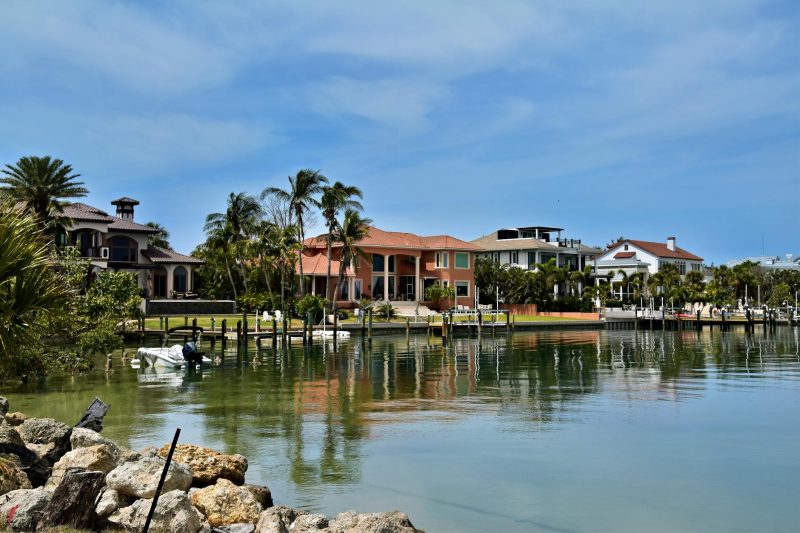
Jumbo Loans: How to Finance High-Value Homes in Washington County
Shopping for a high-value home in Washington County can be exciting, but the unique financing needed for luxury properties can raise a lot of questions. A jumbo loan is a type of mortgage designed for home purchases that exceed the conforming loan limits set by government-sponsored entities, and requires different qualifications compared to conventional loans. In this guide, I’ll explain what makes a loan “jumbo,” who qualifies, and what to expect if you’re considering this option for your purchase in St George, Hurricane, Ivins, or the surrounding area.
Key Takeaways
- Purpose: Jumbo loans are used to finance homes that exceed conforming loan limits, common in luxury or high-cost markets.
- Eligibility: Qualification typically requires strong credit, documented income, and a larger down payment compared to conforming loans.
- Process Timeline: Jumbo loan applications may take longer to process due to additional documentation and underwriting.
- Best For: Buyers of high-value, luxury, or unique properties in places like Entrada, Sun River, or Desert Color.
Quick Answers: Jumbo Loans Explained
- What is a jumbo loan? A jumbo loan finances properties that cost more than what standard conforming loans will allow, commonly for luxury or high-value real estate.
- Who needs a jumbo loan? Anyone buying a home above the conforming loan limit (which varies by county) may need a jumbo mortgage.
- Are requirements stricter? Yes, lenders typically review credit, assets, and income more closely and may require a higher down payment.
- Can I use jumbo loans for a second home or investment? It’s possible, but guidelines often differ from those for primary residences.
- Are interest rates higher? Jumbo mortgages may have rates slightly above conventional loans, but this depends on credit, property, and market conditions.
What Is a Jumbo Loan?
Jumbo loans are non-conforming mortgages designed for home purchases that exceed local conforming loan limits set by Fannie Mae and Freddie Mac. These limits change yearly and vary depending on your county; for example, luxury homes in Washington County, Iron County, or Kane County often exceed these limits, making jumbo financing essential.
Unlike conforming loans, jumbo loans are not backed by federal agencies, meaning banks or investors bear more risk. That’s why the qualification standards are typically higher.
When Do You Need a Jumbo Loan in Southern Utah?
You’ll need a jumbo loan when the price of the home you want in places like Bloomington, Snow Canyon, or Hurricane is higher than the current conforming loan limit for your county. These limits can change annually, so it’s best to verify what applies in your area.
Even if your purchase is close to the limit, keep in mind closing costs or minimal down payment options can also impact whether you need jumbo financing or not. I always encourage buyers to go over their pre-approval amount, as it can give extra flexibility during your home shopping.
Jumbo Loan Qualification: What Are the Requirements?
Because of the larger loan amounts and higher lender risk, qualifying for a jumbo mortgage is a little different than a standard home loan:
- Credit Score: Lenders often require strong credit, commonly above what’s needed for a standard mortgage. While guidelines change, the higher your score, the better your options tend to become.
- Income & Documentation: You’ll usually need to provide detailed proof of income (such as recent tax returns, W-2s/1099s, and bank statements) and have a lower debt-to-income (DTI) ratio.
- Down Payment: Down payment requirements are typically higher than those for conventional or FHA loans. Some lenders may let you put less down with strong compensating factors, but most require a significant investment—especially for homes in resort and luxury areas like Entrada or Bloomington Hills.
- Appraisal: Jumbo loans almost always require a home appraisal, and sometimes two, to verify property value accurately.
- Reserves: This means having savings or investments set aside after closing, sometimes enough to cover several months of mortgage payments.
Guidelines can vary by lender, property type, and local market conditions. That’s why it’s so important to review your scenario with an experienced loan officer who knows the St George and Southern Utah market.
Jumbo Loans Compared to Conventional Loans
| Feature | Jumbo Loan | Conventional Loan |
|---|---|---|
| Loan Size | Above conforming limit (varies by county) | At or below conforming limit |
| Credit Requirements | Typically higher | Standard |
| Down Payment | Usually larger | May be as low as 3% (on some programs) |
| Documentation | More extensive | Standard |
| Loan Terms | Can include fixed or adjustable options | Wide range of options |
What Type of Properties Can You Finance with a Jumbo Loan?
Jumbo loans can be used for several types of high-value residential properties common in Southern Utah, including:
- Primary homes (your main residence)
- Second homes or vacation properties (such as a golf retreat near Sand Hollow or a home near Zion National Park)
- Investment properties (with stricter qualification in most cases)
- Luxury condos or custom builds
Keep in mind: Investment and vacation properties may have tougher requirements and higher down payments than owner-occupied homes. Every lender is a little different, so a local expert who knows the ins and outs of St George, Cedar City, or Kanab markets will make the process smoother.
How Jumbo Loan Underwriting Works
Jumbo loans undergo more detailed underwriting than smaller mortgages. Here’s what to expect:
- Lenders will check your documentation, verify your assets, review your credit, and may require full tax returns.
- An appraisal (sometimes two) will be required to confirm the property’s market value.
- You may be asked about the source of your down payment and reserves.
- The underwriting process can take a few days longer than a standard loan, so start planning early—especially if you’re buying during a busy season in Washington or Iron County.
Tips for Shopping Jumbo Loans in Washington County
- Start with Pre-Approval: It’s essential to understand your jumbo loan eligibility before house hunting. Many sellers in luxury communities require proof of funds or pre-approval before showing the property.
- Compare Terms: Rates, fees, and guidelines differ across lenders. Compare loan options, especially in unique luxury markets like Entrada or Sun River, to find a program that fits your goals.
- Avoid “Over-Extending”: Lenders look closely at your overall financial picture—don’t stretch your budget just to get more house. Having a comfortable reserve after closing is a must for jumbo buyers.
- Factor in Closing Costs: Closing costs on jumbo loans are often higher due to larger property values, transfer fees, and sometimes second appraisals.
- Ask About Specialty Programs: Some lenders offer unique jumbo programs tailored to specific professions or self-employed borrowers in growing markets like Desert Color or Black Desert.
Is a Jumbo Loan Right for You?
Jumbo loans open the door for high-value real estate—whether you’re relocating, upgrading, or investing in a luxury property in Southern Utah. But because the guidelines, underwriting, and purchase experience are more detailed, it’s critical to work with someone who’s seen it all and knows the regional market.
Since I’ve helped clients manage jumbo and luxury home purchases since 1999, I’m familiar with both the lenders who specialize in these loans and how to make your purchase process as smooth as possible. If you have questions or want to compare options, I’d be happy to walk you through your scenario and what to expect in today’s market.
Frequently Asked Questions
What credit score do I need for a jumbo loan?
Lenders typically look for higher credit scores for jumbo mortgages than for standard loans. Guidelines change, but expect to need good or excellent credit to qualify—improving your score before applying can help.
Can I put less than 20% down on a jumbo loan?
Some lenders may allow lower down payments with strong financial profiles, but many jumbo loans require at least 20% down. Factors like your credit, assets, and the property type will influence the minimum requirements.
Are jumbo loan rates higher than conventional mortgage rates?
Jumbo loans often come with slightly higher interest rates because they pose more risk to lenders. However, the difference can change based on your financial situation and overall market conditions, so it’s worth comparing.
Can I use a jumbo loan for a vacation or investment property?
Yes, jumbo loans can sometimes be used for second homes or investment properties, although requirements can be more stringent. Expect larger down payments and additional documentation for non-primary residences.
How long does it take to close a jumbo loan?
The process may take slightly longer than a conventional loan, mainly due to more detailed underwriting and documentation reviews. Plan for a few extra days, especially in competitive or high-volume areas.
This is educational and not financial advice. Loan programs and guidelines can change. Talk with a licensed mortgage professional about your specific scenario.
Related Posts