Finding the right mortgage option can be confusing, especially when you’re deciding between conventional loans…
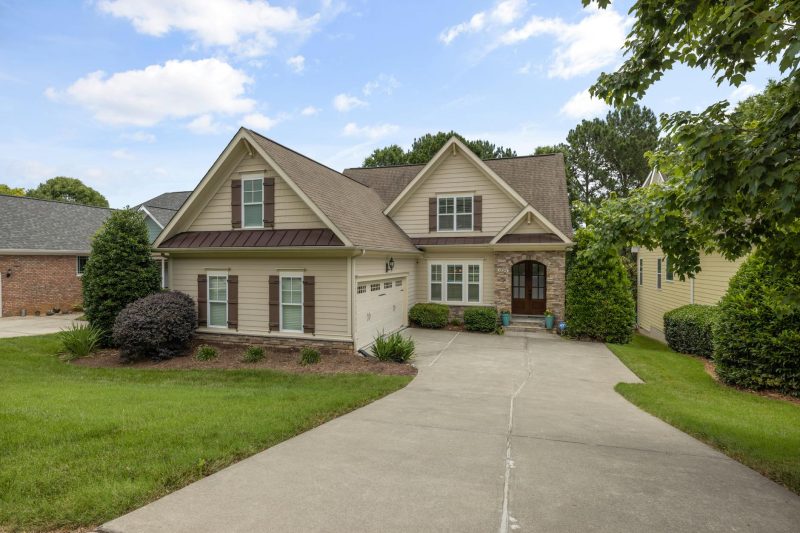
Jumbo Loan Requirements: What You Need and Step-by-Step Application Guide
Navigating the world of home financing above standard loan limits can feel daunting if you’re not sure what to expect. A jumbo loan is a mortgage for amounts that exceed the conforming loan limits set by Fannie Mae and Freddie Mac—requiring stricter qualifications and documentation than standard loans. In this guide, I’ll break down what you need to qualify for a jumbo loan, walk you through the application process, and share tips relevant to buyers in Washington County, UT, and surrounding areas.
Key Takeaways
- Purpose: Jumbo loans are designed to finance homes that exceed local conforming loan limits, often found in higher-cost markets.
- Eligibility: You’ll typically need strong credit, lower debt-to-income ratios, and substantial documentation of income and assets.
- Down Payment: Larger down payments are commonly required for jumbo loans compared to standard loan programs.
- Best For: Borrowers purchasing high-value primary homes, second homes, or investment properties in areas like Washington County, St George, and other parts of southern Utah.
- Timeline: The process can take slightly longer than a standard mortgage due to extra review and verification steps.
Quick Answers
- What is a jumbo loan? Jumbo loans are mortgages that exceed conforming loan limits and often require more rigorous qualifying standards.
- Who typically needs a jumbo loan? Buyers purchasing homes in higher price ranges, especially in markets like St George and Hurricane, often need jumbo financing.
- How much do I need for a down payment? Most lenders require a larger down payment on jumbo loans than for conventional loans, but the exact amount varies by scenario and lender guidelines.
- Are rates higher for jumbo loans? Interest rates for jumbo loans can be competitive, but they often run higher than for conforming loans due to increased risk for lenders.
- Is the application process different? Yes, expect more documentation, more thorough asset and income review, and potentially a slightly longer approval timeline.
What Is a Jumbo Loan?
A jumbo loan is a mortgage for an amount that exceeds the conforming loan limits set for your area. Conforming limits are established by the Federal Housing Finance Agency (FHFA) and updated annually; they vary by county. In high-demand markets like Washington County—including areas around St George, Ivins, and Santa Clara—it’s not uncommon for buyers to need jumbo financing.
Since jumbo loans aren’t backed by Fannie Mae or Freddie Mac, lenders take on more risk—so they establish stricter qualification guidelines. These loans can be used for primary homes, second homes, or investment properties, including unique properties you’ll find around Entrada, Split Rock, or Black Desert.
Jumbo Loan Requirements: What You Need
At Ryan Bolton (NMLS# 299717), I work with home buyers and investors in southern Utah who want to finance properties over the local conforming limits. Here’s what most lenders will look for with a jumbo loan:
Credit Score
Excellent credit is a must for most jumbo loans. While guidelines vary, most lenders expect a higher minimum score than for standard loans—sometimes 700 or higher. Lenders want to see a clean and established credit history with few to no major negative marks.
Income and Employment
Your lender will require thorough documentation of income and employment. Be prepared to provide:
- W-2s or tax returns (often for two years)
- Recent pay stubs or evidence of consistent self-employment income
- Additional documentation if you have variable, seasonal, or investment income
Those using DSCR (Debt Service Coverage Ratio) loans for investment properties will need to document property cash flow as well as overall financial stability.
Debt-to-Income Ratio
Most lenders set lower maximum debt-to-income ratios for jumbo borrowers than for conforming loans. This calculation compares your monthly debt payments to your pre-tax income. The lower your ratio, the better your chances.
Down Payment
Jumbo loans typically require larger down payments than other types of mortgages. Some lenders may require at least 10%-20%, though exact requirements vary. The more you can put down, the more attractive your application—and the better your potential loan terms.
Cash Reserves and Assets
Many jumbo programs require documentation of significant cash reserves (money left over after your closing), sometimes covering several months’ worth of mortgage payments. Lenders use this to verify financial stability and staying power—especially important with higher loan amounts.
Property Appraisal
Because jumbo loans represent a greater financial risk, lenders may order 1-2 appraisals (depending on price and program) to verify property value. Unique or high-value homes near Sun River, Desert Color, or Sand Hollow may prompt additional property review.
Other Documentation
Lenders will review credit, taxes, bank statements, and any complex asset holdings. If you own multiple properties or have diverse income streams, expect to provide detailed paperwork and explanations.
Jumbo Loan vs. Conforming Loan: Key Differences
| Feature | Jumbo Loan | Conforming Loan |
|---|---|---|
| Loan Amount | Above local conforming limits | At/below local conforming limits |
| Minimum Down Payment | Higher (varies by lender/program) | Can be as low as 3% |
| Credit Score | Higher minimums (often 700+) | Flexible, depending on loan type |
| Reserves Required | Multiple months of payments | Less stringent |
| Process Timeline | May take longer due to extra review | Typically faster |
Step-by-Step Jumbo Loan Application Process
Applying for a jumbo loan in Washington County or surrounding areas follows a familiar structure, with some key differences from standard loans. Here’s the process I recommend to keep things smooth and efficient:
1. Start with Pre-Approval
Pre-approval is vital before shopping for high-value properties. I’ll help analyze your financial documents, pull your credit, and evaluate your eligibility according to jumbo lending guidelines. With the right paperwork, we can spot any red flags or missing items early, so you know exactly where you stand.
2. Gather Documentation
Expect to provide:
- Last two years’ tax returns and W-2s/1099s
- Most recent bank and investment statements
- Pay stubs or proof of income (self-employed: business returns, P&Ls, etc.)
- Information on other real estate owned
It’s helpful to have your documents in digital format for the quickest turnaround. If you’re buying a home near Zion National Park or in unique neighborhoods like Bloomington or Green Valley, extra property details may be required.
3. Submit Your Application
I’ll help you complete your application, review your documentation, and submit everything to underwriting. Careful attention to detail here reduces delays—jumbo loans have less leeway for missing or unclear items.
4. Underwriting and Property Appraisal
During underwriting, lenders analyze your finances, review property appraisal(s), and sometimes request additional paperwork. Expect a deep dive into assets, credit, and income—especially if you use private money or non-QM programs.
5. Conditional Approval & Final Steps
Once underwriting signs off, you’ll receive a list of any additional required items (“conditions”). These might include explanations for certain transactions, updated income documents, or a second appraisal if required by program guidelines.
When all documentation is complete, you’ll get a clear-to-close notice. Then we’ll set a closing date, work with your title/escrow partners, and you’ll sign your final loan documents.
Tips for Jumbo Buyers in Southern Utah
- Prep your credit: Review your report early; address any errors or issues before applying.
- Document everything: Have a paper trail for deposits, gifts, and asset transfers—jumbo loans require details.
- Work with a specialist: I’ve helped buyers secure jumbo financing for homes throughout Washington and Iron Counties—you won’t have to guess what comes next.
- Be aware of changing guidelines: Down payment, reserve, and documentation requirements can shift; always check with a local expert.
Contact and Next Steps
If you’re ready to explore homes beyond the conforming limits, let’s review your options together. Whether you’re considering a primary home in Cedar City, an investment in Kanab, or that dream property close to Bryce Canyon National Park, I’ll help you compare programs, estimate payments with a great mortgage calculator, and create a plan for a smooth closing.
Ready to start? Call, text, or email me with your scenario. We can go over pre-approval planning, application steps, and what’s available for your unique situation. Let’s make your high-end home goals a reality—together.
Frequently Asked Questions
Do jumbo loans require private mortgage insurance (PMI)?
Many jumbo loans do not require PMI even with a down payment below 20%, but this varies widely by lender. Some programs have their own insurance requirements or pricing adjustments.
Can I use a jumbo loan for an investment property?
Yes, you can use certain jumbo loan programs for investment properties—though qualifying is typically more rigorous and guidelines may differ from owner-occupied homes.
How long does it take to close a jumbo loan?
Jumbo loans may take a little longer than conforming loans to close, often three to six weeks, due to additional documentation and review. Each scenario is unique—early preparation helps speed things up.
Is there a maximum loan amount for jumbo loans?
Jumbo loans do not have a fixed maximum like conforming loans, but individual lenders set their own maximums. The amount you can borrow depends on your finances, credit, and the lender’s guidelines.
What documentation is required for a jumbo loan application?
Expect to provide full income verification (tax returns, pay stubs), extensive asset statements, credit reports, property information, and sometimes multiple appraisals. Requirements are more thorough than for standard mortgages.
This is educational and not financial advice. Loan programs and guidelines can change. Talk with a licensed mortgage professional about your specific scenario.
Related Posts