Traditional mortgage financing doesn’t always work for every scenario, and that can be frustrating—especially if…
Private Money Loans: How to Finance Your Next Utah Investment Property
Trying to land the perfect investment property in Utah, but standard financing feels out of reach or too slow? Private money loans are flexible, short-term loans from individuals or private entities—often secured by the property—to quickly finance real estate investments when traditional loans may not fit your timeline or situation. In this article, we’ll break down exactly what private money loans are, how they work in Washington County and surrounding areas, who they’re right for, and what you should know before using them for your next property purchase.
Key Takeaways
- Purpose: Private money loans offer fast funding for real estate investments—often used by investors who need quick closings or don’t meet standard mortgage requirements.
- Requirements: Focus is primarily on the property’s value and potential profit, not the borrower’s credit or income.
- Timeline: Funding is commonly available in days to just a couple of weeks.
- Best For: Investors purchasing fix-and-flip, rental, or distressed properties in Utah and the St George area who need a flexible approval process.
Quick Answers: Private Money Basics
- What is private money? It’s financing from private individuals or funds, not banks or credit unions, typically secured by the property itself.
- How fast can you close? Often within 7–14 days, depending on paperwork and property type.
- Do you need perfect credit? No—approval is based more on property potential and collateral than traditional borrower qualifications.
- Are private money loans expensive? Rates and fees are generally higher than conventional mortgages because they’re short-term and higher risk.
- Where can you use them? Anywhere in Utah, including St George, Cedar City, Hurricane, Ivins, and surrounding markets.
What Is a Private Money Loan?
A private money loan is a real estate loan funded by an individual, a small group, or an investment fund—rather than a traditional bank or credit union. These loans are commonly referred to as “hard money” and provide short-term solutions for investors looking to purchase, renovate, or refinance properties quickly.
At Patriot Home Mortgage (NMLS# 715386), we help investors throughout Washington County and Southern Utah explore a range of financing options—including private money—when conventional loans aren’t a fit for their project, timeline, or credit situation. Local areas we serve include Saint George, Hurricane, Iron County, Kanab, Cedar City, and many of Utah’s fastest-growing communities.
How Private Money Loans Work
Here’s a step-by-step overview of the private money process:
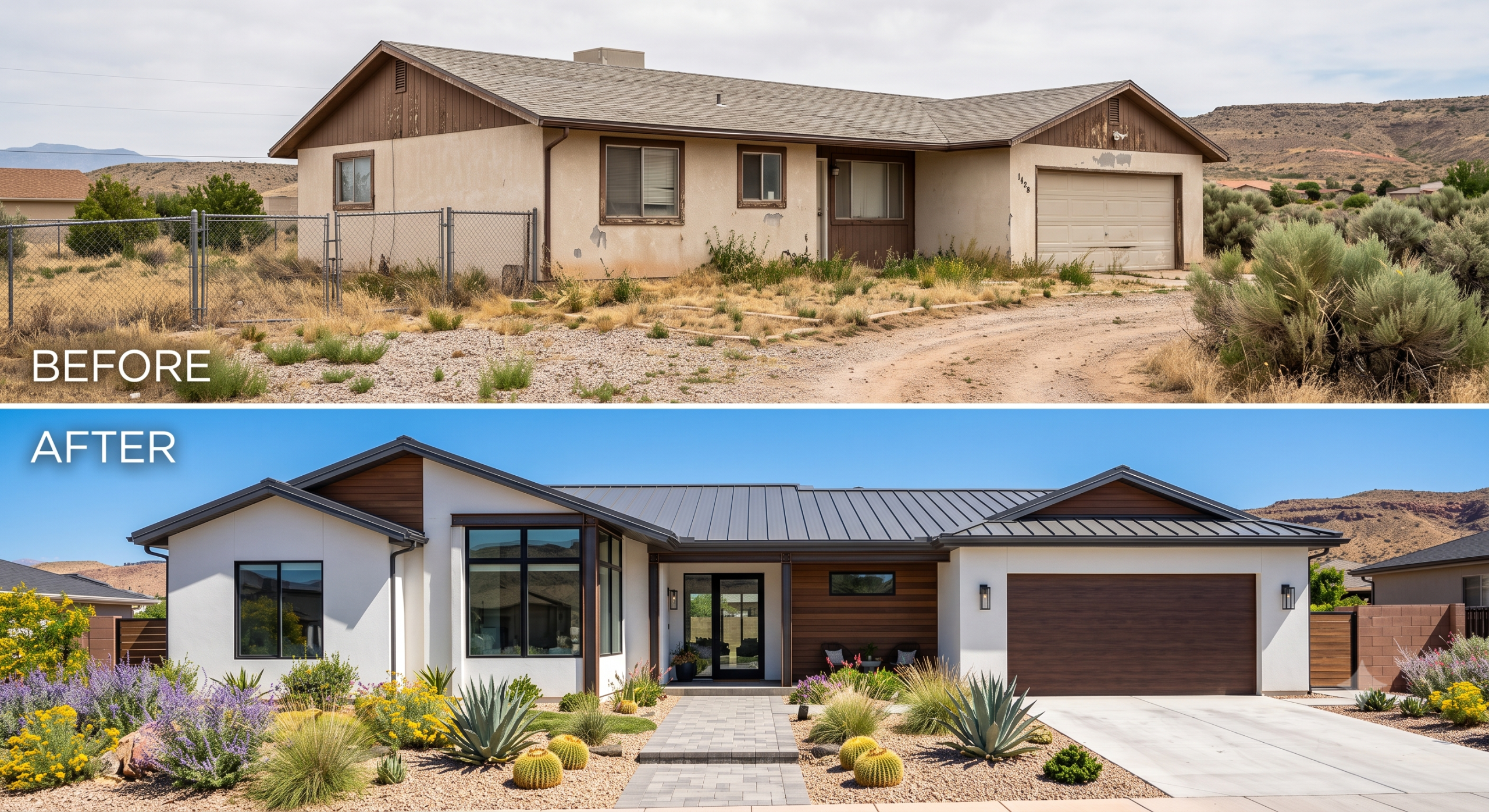
- Identify the Property: Whether it’s a fix-and-flip near Zion National Park, a vacation rental in Sun River, or a duplex in Bloomington Hills, private money loans work best for properties that need a quick closing or significant renovation.
- Submit Your Scenario: Instead of lengthy bank applications, you’ll present a short loan scenario—property details, purchase price, expected rehab costs, and projected value after improvements.
- Collateral Matters Most: The lender focuses on the property’s value and profit potential. While your experience helps, the asset is king.
- Fast Decision, Fast Funding: Once the private lender is comfortable with the scenario and collateral, they move from term sheet to funding—often in days.
- Short-Term, Exit Plan: These loans are commonly written for 6–24 months, so you’ll need a plan to refinance or pay off the loan—often by selling, refinancing, or converting to a long-term mortgage.
Private Money vs. Traditional Investment Loans: What’s Different?
| Feature | Private Money Loan | Conventional/DSCR/Jumbo Loan |
|---|---|---|
| Source of Funds | Private individual or fund | Bank, credit union, national lender |
| Approval Focus | Property value & exit plan | Credit, income, property |
| Timeline | Days to 2 weeks | Several weeks or longer |
| Term Length | 6–24 months (short-term) | 15-30 years (long-term) |
| Typical Project Types | Fix & Flip, Bridge, Quick Close | Rental, conventional, cash-out, larger projects |
| Costs | Often higher rates and fees | Lower rates and costs |
For investors considering long-term rentals, refinance options, or larger purchases, you may also want to explore our DSCR loan program or jumbo home loan solutions for Utah investment properties.
When Is Private Money the Right Fit?
Private money loans are a good match when:
- You need to close quickly—perhaps you’re bidding on a property in the fast-paced Saint George or Desert Color markets.
- The home is distressed, vacant, or not move-in ready, so banks won’t lend at all.
- You want to leverage equity from one investment into another (bridge financing).
- Your credit, tax returns, or income documentation don’t fit standard underwriting rules.
- You have a clear plan to fix, flip, sell, or refinance within a short period.
What Are the Costs, Rates, and Terms?
Private money loans typically carry higher rates and upfront fees compared to traditional mortgages, reflecting their added speed, risk, and flexibility. Terms are often 6 to 24 months, with monthly interest-only payments and a larger “balloon” payment due at the end of the loan. You’ll need to be prepared for closing costs and sometimes points (fees based on the loan amount), but investors often find the speed-to-close and ability to finance properties “as-is” is worth it for the right project.
Loan amounts, minimum down payments, and fees vary based on your specific scenario, the property’s value, and your experience as an investor. Always review exact loan terms and costs with your chosen lender to confirm current offers and requirements.
Private Money Loan Process: What To Expect
- Initial Consultation: Discuss your goals, property details, and timeline with a local mortgage expert familiar with the Utah market.
- Scenario Submission: Provide quick details: purchase contract, renovation budget, projected resale value, and (if you have it) experience with similar projects.
- Term Sheet: The private lender issues proposed terms—amount, rate, fees, repayment period, and what’s required at closing.
- Valuation: A quick property appraisal or broker price opinion (BPO) verifies value and projected profitability.
- Closing: Legal documents are signed, often at a title company in St George or Cedar City, and funds are wired for your purchase or rehab project.
- Project Execution & Exit: Complete your improvements, reposition the property, and either refinance into traditional financing or sell to pay back the loan.
Risks and What to Watch Out For
- Higher Upfront Costs: Expect higher rates and fees; balance them against your projected profit.
- Short Repayment Period: Plan your exit carefully—what if your rehab takes longer or the property doesn’t sell as planned?
- Property as Collateral: If you default, the lender can foreclose—always understand your obligations.
- Documentation: Even if lender requirements are simpler, review all agreements with a mortgage professional or attorney.
Tips for Using Private Money Loans in Utah
- Work with a licensed and experienced mortgage pro who knows Washington County’s unique markets—from historic Hurricane properties to Black Desert golf community homes.
- Have your renovation or “exit” plan buttoned up—know how you’ll repay the loan before you sign.
- Get familiar with local market trends. The fast-moving Saint George or Ivins fix-and-flip market is different from a rural Springdale or Kanab investment.
- Keep careful records of all expenses—you’ll need accurate data for your refinance or resale.
Comparing Investment Property Loan Options
Private money is just one tool in the investing toolbelt. For some rental properties or income projects, a DSCR loan or other creative financing options may provide better long-term performance or rates. If you want to analyze your best solution, explore all available loan options or let us help you compare scenarios side-by-side.
Ready to Explore Private Money Financing?
If you’re considering a private money loan for your next real estate investment in Washington County, St George, Cedar City, or anywhere in Southern Utah, we’re here to help you confidently navigate your options. Don’t go it alone—you’re not supposed to know how all this mortgage stuff works—that’s why you have me!
Call, text, or email us to review your scenario, compare programs, and develop a plan for pre-approval, acquisition, improvement, and long-term exit strategies. Taking the time to plan ahead can save you money—and give you a smoother investment experience from offer to closing.
Frequently Asked Questions
Can I use a private money loan for any property type in Utah?
Private money loans are most commonly used for investment properties, including single-family homes, condos, multi-units, and even some commercial properties. The key factor is usually investment use—lenders may not finance primary residences with private money.
How much down payment do I need for a private money loan?
Down payment requirements vary, but private money lenders typically want borrowers to have significant “skin in the game.” This is often a larger percentage than with traditional mortgages and is based on property value and project risk.
Will my credit score impact approval?
While private lenders may review your credit, their primary focus is the property’s value and your exit strategy. You don’t need perfect credit, but responsible credit history can sometimes help with better terms.
How quickly can I get funds from a private money lender?
Private money loans can often close in as little as a few days to two weeks, depending on property type, paperwork, and the complexity of the project. Speed is one of their main advantages over traditional financing.
What’s the exit strategy for a private money loan?
Your exit strategy should include plans to repay or refinance before the loan matures. This could involve selling the property after improvements, refinancing to a long-term mortgage, or using proceeds from other sales or investments.
This is educational and not financial advice. Loan programs and guidelines can change. Talk with a licensed mortgage professional about your specific scenario.
Related Posts